

Root Canals
 Modern techniques and technology have turned many once-feared dental procedures into simple and routine treatments. One such treatment is the notorious root canal. Despite the old reputation of the root canal, our patients often tell us that their treatment was painless and much simpler than they expected!
When Is a Root Canal Needed?
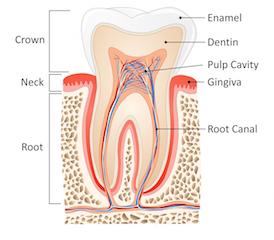
Root canal therapy is done when the nerve inside the tooth has been damaged in some way. This may be caused by extensive decay, fractures or cracks, deep fillings, or trauma to the tooth.
In most cases, a toothache is the first sign that something is wrong, and this is what brings patients to our office. Since the problem in the tooth is so close to the nerve, pain is common. In some cases, however, the need for a root canal may be identified during a routine exam, without any pain being present. This is actually good news for you since we can treat the tooth before you experience any discomfort!
If you are currently in pain, you’ll be happy to know that root canal therapy will relieve your pain and help you feel better fast.
 How Is a Root Canal Performed?
The first step is to anesthetize the tooth so that you don’t feel a thing during treatment. Since so many patients who are in need of a root canal are in pain, this often brings instant relief. We’ve even had patients fall asleep during their treatment!
Once you are comfortable, Dr. Charles or Dr. Emily will access the inside of the tooth to find the pulp, the nerve, and the root canals. Using a special series of tools specifically designed for endodontic treatment, he or she will clean the canals by hand. Next, the canals will be carefully shaped and the tooth will be disinfected. The canals will then be dried, sealed, and filled using a rubber-base material called gutta percha.
We recommend crowns for teeth that have received root canal therapy. Once the nerve is removed, the tooth is likely to become brittle. A crown will protect the tooth and help it maintain function.
Are You Experiencing Pain?
If you have noticed any of the signs that could indicate a problem inside your tooth, including pain, changes to the tooth’s appearance, swelling or a pimple-like lesion in the gums near the tooth, or sensitivity to pressure or temperature change, please call our Chesterfield dental office today.
